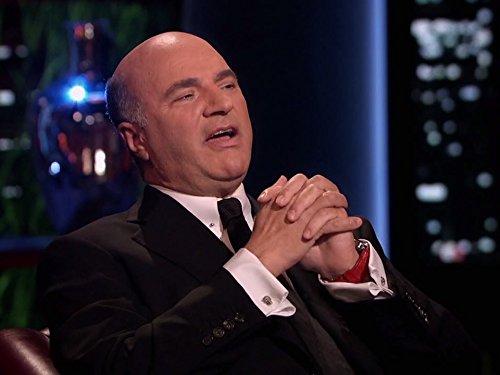
Kevin O’Leary’s televised defense of a proposed Utah data center has become the subject of a federal defamation lawsuit. In September, the businessman and Fox News asked a judge to dismiss the case, which concerns his claims about the project’s opponents and their alleged connections to China.
The controversy traces back to a May 11, 2026 appearance on Fox Business. O’Leary suggested that Chinese interests were behind opposition to his development in Box Elder County. The project had attracted local concerns about water, electricity demand and the process used to approve it. His accusations added a national security argument to an already contentious local debate.
On July 15, Alliance for a Better Utah, political consulting firm Elevate Strategies, Joshua Kanter and Gabrielle Finlayson filed a federal complaint. They alleged that O’Leary repeatedly portrayed them as working for Chinese interests during media appearances. The plaintiffs argued that those statements presented unsupported accusations as established facts and damaged their reputations and professional relationships.
The complaint also describes a subsequent clarification. On June 25, O’Leary acknowledged in a social media post that he had no evidence that the named organizations and individuals were funded by China or the Chinese Communist Party.
Fox’s published correction says neither O’Leary nor the network had evidence that Alliance for a Better Utah was funded by China.
Those corrections did not resolve the dispute. The plaintiffs maintain that the broadcasts caused lasting harm and that some of the disputed material continued circulating online. They are seeking compensatory and punitive damages. Fox has said it corrected the record and would defend itself against the lawsuit.
O’Leary’s lawyers offer a different interpretation. According to September 27 reporting by The Salt Lake Tribune, they argue that his remarks were political rhetoric and protected opinion. They also contend that his later acknowledgment of insufficient evidence does not establish that he knowingly made false statements at the time. Fox separately argues that O’Leary’s state of mind cannot simply be attributed to the network.
The broader issue raised by the interview is public trust. Developers seeking community support need to answer questions about a project’s costs, resources and benefits. Allegations about critics’ motives introduce another question: what evidence supports those allegations?
For O’Leary, the interview has therefore become part of a dispute extending beyond the proposed development itself. The competing accounts now place the wording, context and consequences of his televised statements at the center of the legal fight.